

| 일 | 월 | 화 | 수 | 목 | 금 | 토 |
|---|---|---|---|---|---|---|
| 1 | 2 | 3 | 4 | 5 | 6 | |
| 7 | 8 | 9 | 10 | 11 | 12 | 13 |
| 14 | 15 | 16 | 17 | 18 | 19 | 20 |
| 21 | 22 | 23 | 24 | 25 | 26 | 27 |
| 28 | 29 | 30 |
- AIAdoption
- ai에이전트
- vibecoding
- promptengineering
- chatGPT활용법
- ChatGPT
- GenerativeAI
- HRAutomation
- 엑셀VBA자동화
- notebooklm
- claudeai
- 직장인ai활용
- workplaceAI
- 직장인ai
- productivity
- NonDeveloperCoding
- aiproductivity
- WorkplaceWellness
- Anthropic
- 업무자동화
- claudecode
- WorkplaceAutomation
- 클로드코드
- HRTECH
- FutureofWork
- AISkills
- CreativeThinking
- AI workplace
- CitizenDeveloper
- AICreativity
- Today
- Total
GoodTechAI
I Used AI to Build a 4-Hour Training Course in 1 Hour: 15 Deliverables, $15 Total Cost 본문
I Used AI to Build a 4-Hour Training Course in 1 Hour: 15 Deliverables, $15 Total Cost
GoodTechAdviser 2026. 3. 26. 08:30
Table of Contents
1. Why Training Course Creation Takes So Long2. 8 AI Agents Built My Course Materials
3. 15 Deliverables: What Actually Came Out
4. Outsourcing vs. AI: The Numbers Side by Side
5. What AI Cannot Do (Yet)
6. FAQ

Last week, I needed to build a 4-hour AI training course from scratch.
A proposal, curriculum, 56-slide deck, speaker scripts, handouts, and hands-on exercises. Under normal circumstances, this is a two-week project. Outsourcing it to an external instructor in Korea typically costs $1,500 to $3,500.
I have spent 18 years in HR at a Korean manufacturing company, designing training programs for over 1,000 employees. The content itself was never the hard part -- it was the sheer volume of materials that consumed all my time.
This time, I tried something different. I handed the entire job to an AI multi-agent system called Claude Code. The result: 15 deliverables in 1 hour, at a total cost of $15.
Why Training Course Creation Takes So Long
In Korea, 7 out of 10 companies have already implemented AI training programs (Hunet, 2025). Demand for AI and digital transformation education surged 290% year-over-year (Korean Standards Association, 2025).
Training demand is exploding, but course creation is still manual.
Here is the reality I have lived for nearly two decades: when you commission an external instructor, expect 2-3 preliminary meetings, 3-4 rounds of draft feedback, and 1-2 weeks until final sign-off. Cost: $1,500 to $3,500 including instructor fees and design work. Rush jobs push timelines even further.
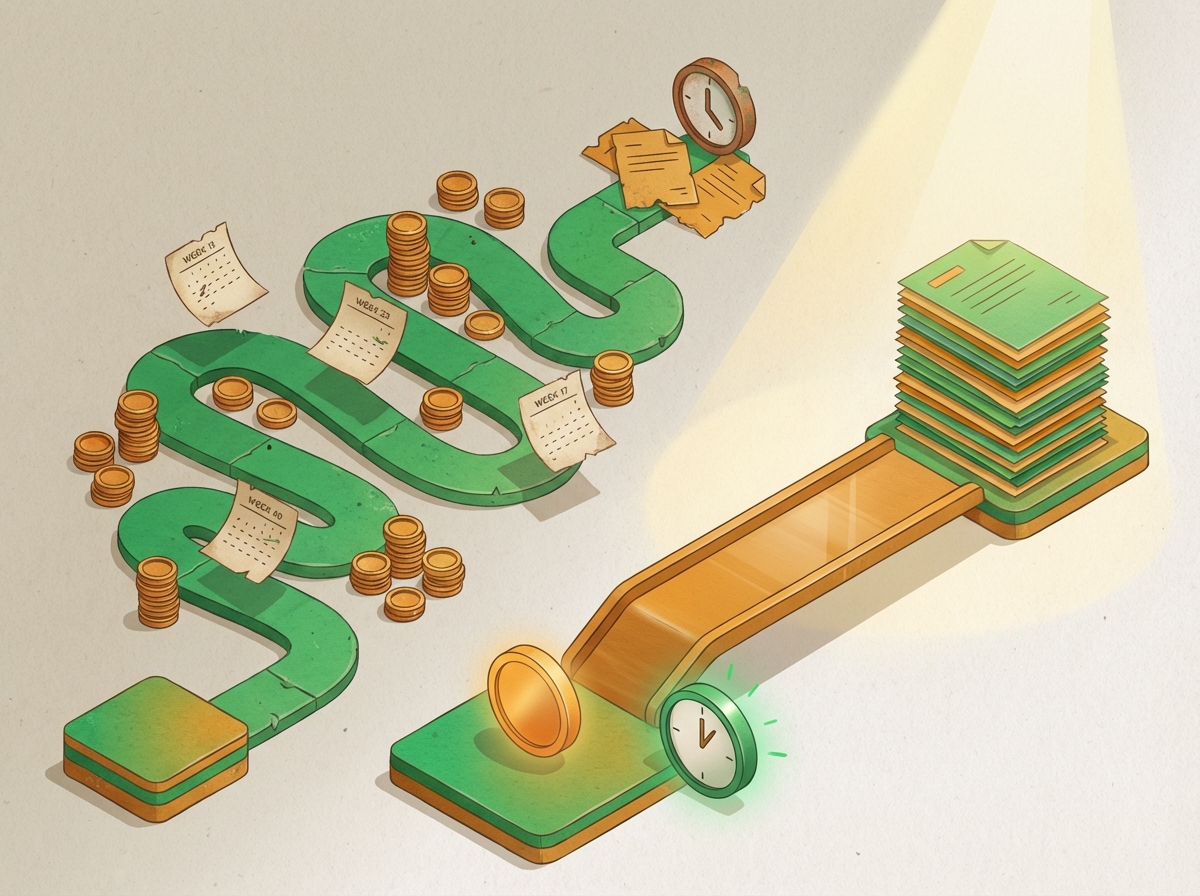
The irony every training designer knows: the time spent creating the training often exceeds the training itself.
8 AI Agents Built My Course Materials
The method I used was Claude Code's multi-agent system. Instead of one AI doing everything, 8 specialized agents worked in sequence, each handling a different role.

| Step | Agent | Role |
| 1 | Researcher | Searched the web 12 times for current data and case studies |
| 2 | Curriculum Designer | Module-by-module time allocation with theory, demo, and practice segments |
| 3 | Critic (Round 1) | Reviewed curriculum for logical gaps and missing components |
| 4 | Script Writer | Speaker notes for all 56 slides |
| 5 | Critic (Round 2) | Re-examined script flow and time distribution |
| 6 | Slide Builder | Generated PPTX file with 12 auto-created images |
| 7 | Handout Creator | Produced learner materials and practice prompt collection |
| 8 | Quality Assessor | Scored output across 10 criteria (100-point scale) |
The key design choice: the Critic agent appears twice. Round 1 catches structural issues in the curriculum. Round 2 catches quality issues in the scripts. It mirrors how a human reviewer would work -- AI checking AI.
I was skeptical at first. "What difference would AI-on-AI review make?" But the Critic's feedback was genuinely sharp: it flagged modules with insufficient practice time and transitions between slides that felt abrupt.
15 Deliverables: What Actually Came Out
One hour later, here is what appeared on my computer:

| # | Deliverable | Description | Scale |
| 1 | Training Proposal | Overview, objectives, curriculum, expected outcomes | 7,300 chars |
| 2 | Curriculum Design Doc | Module-by-module timing, activities, transitions | 29,000 chars |
| 3 | Speaker Script | Full narration for all 56 slides | 62,000 chars |
| 4 | Slide Guide | Per-slide layout and design specifications | 49,000 chars |
| 5 | PPTX File | Presentation-ready PowerPoint | 5.3 MB |
| 6 | Learner Handout | Practice guide + reference materials | 13,000 chars |
| 7-11 | Practice Materials (5) | Prompt templates, sample spreadsheets, exercises | 6 files |
| 12-15 | Slide Images | AI-generated illustrations | 12 images |
The 56-slide speaker script alone was 62,000 characters -- roughly 155 pages of manuscript. Writing that by hand would take days.
Outsourcing vs. AI: The Numbers Side by Side
Based on my experience managing training budgets in Korean corporate environments:
| Category | Manual / Outsourced | AI-Created |
| Time | 1-2 weeks | ~1 hour |
| Cost | $1,500-$3,500 | $15 (Claude API usage) |
| Deliverables | PPT + 2-3 handouts | 15 total (proposal to exercises) |
| Revisions | Re-negotiation + extra fees | Re-run with modified prompt, near-zero cost |
| Quality Check | 1-2 internal reviews | 2 AI critic rounds + 10-criteria assessment (90/100) |
Research from Wharton and Menlo Ventures (2025) found that every $1 invested in generative AI returns an average of $3.70 in value. In Korea, one major conglomerate reported a 31% reduction in annual overtime hours after implementing AI in their training workflow (Comento HRD Forum, 2025).
What AI Cannot Do (Yet)
Let me be direct: you cannot use AI-generated training materials as-is.
Here is what I found in this specific project. Some case studies did not match the target industry context. Practice time allocations were unrealistic in a few modules. And certain sentences had that unmistakable "AI wrote this" quality.
AI creates the first draft. The strategic direction, instructional design expertise, and understanding of your actual learners -- that remains your job. Even after two rounds of AI critic review and a 90/100 quality score, I still made manual edits before the final version.

Frequently Asked Questions
Q. Do I need coding skills to use this multi-agent approach?
A. Claude Code runs in a terminal, but you interact with it using natural language. Basic comfort with a command line is helpful, but no programming knowledge is required.
Q. Can this method work for topics other than AI training?
A. Yes. The multi-agent structure is topic-agnostic. It works for compliance training, onboarding programs, leadership development, technical skills -- any structured course format.
Q. How does the quality compare to a human-created course?
A. The AI output scored 90/100 on its own quality assessment, but it required human editing for industry-specific context, tone, and realistic time allocation. Think of it as a strong first draft that an experienced designer refines.
When the Draft Is Free, You Can Focus on What Matters
Building a 4-hour training course in 1 hour means something specific: more time for the work that actually matters -- designing the learning experience, understanding your audience, and making the content genuinely useful.
Before discovering this method, I spent most of my time producing materials and had little left for the core question: "How should this actually be taught?"
If you design training for a living, try running your next course through AI. It will not be perfect. But having a complete first draft changes everything -- because refining is always faster than creating from scratch.
One step at a time. I hope this article is the first one.


